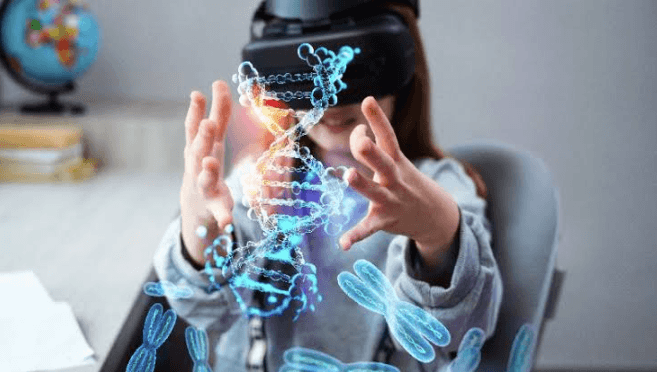
Virtual reality is reshaping classrooms by providing immersive, goal-aligned learning experiences. Students explore simulations that support hands-on practice, rapid feedback, and personalized pacing. Educators track progress across disciplines, tailoring instruction to literacy, numeracy, and critical thinking aims. Yet challenges remain in access, equity, and privacy, requiring careful safeguards and ongoing evaluation. As schools experiment with implementation, questions about cost, professional development, and scalable models persist, offering meaningful implications for the next phase of education.
How VR Transforms Classrooms and Learning Goals
VR technology is reshaping classroom dynamics by immersing students in immersive, interactive environments that align with measurable learning goals.
The approach supports immersive pedagogy, enabling hands-on experimentation and quick feedback loops that track progress across disciplines.
Critics urge transparent practices, emphasizing ethical data collection and safeguarding student privacy, while districts highlight scalability, equity, and evidence of improved engagement without sacrificing core literacy and numeracy outcomes.
What Students Experience in VR-Based Lessons
In VR-based lessons, students encounter immersive simulations, interactive models, and contextualized tasks that align with established learning goals while offering immediate feedback. Learners report heightened engagement through immersive collaboration and sensory immersion, facilitating exploration of complex concepts.
The format supports personalized pacing, collaborative problem-solving, and reflective discourse, though variability in access and guidance shapes consistency.
Educators note safe, disciplined experimentation that aligns with curriculum demands.
Evaluating VR in Education: Outcomes, Accessibility, and Equity
Evaluating VR in education requires a balanced assessment of outcomes, accessibility, and equity to determine its true value in learning environments.
Studies indicate mixed learning gains, with variability by discipline and implementation.
Cost benefit analyses show potential long-term savings, yet upfront costs persist.
The digital divide shapes access, suggesting policy and design must prioritize inclusive, scalable solutions for equitable educational impact.
See also: fideleturf
Implementing VR: Tools, Best Practices, and Next Steps
Implementing VR in education requires a careful blend of appropriate tools, proven practices, and clear, scalable steps that align with instructional goals. Practitioners leverage case studies to validate feasibility, while cost considerations shape procurement, training, and maintenance plans. Best practices emphasize student engagement, safety, and assessment alignment. Next steps involve phased pilots, scalable infrastructure, and continuous evaluation to support informed, autonomous instructional adoption.
Frequently Asked Questions
How Do VR Costs Affect Long-Term School Budgets?
VR budgeting influences long-term school budgets by increasing initial capital costs and ongoing maintenance, while potentially reducing other expenses through scalable simulations; budget forecasting stabilizes with phased implementations, vendor contracts, and cyclic depreciation, enabling transparent, evidence-based financial planning for educational innovation.
What Training Do Teachers Need to Implement VR Effectively?
One statistic: 90% of teachers report improved student engagement after VR trials. Training needed includes hands-on workshops, ongoing coaching, and assessment rubrics. The focus is on teacher training, implementation challenges, scalable curricula, and evidence-based integration strategies.
Are There Any Health or Safety Concerns With Prolonged VR Use?
Prolonged VR use can cause eye strain and cybersickness for some users, though symptoms are typically transient. Proper break schedules, ergonomic headset fit, and gradual exposure align with evidence-based guidelines and support safer, more flexible adoption.
How Is Student Privacy Protected in VR Platforms?
Student privacy in VR platforms is protected by privacy policies and data ownership clarifications; institutions often enforce data minimization, access controls, and auditor reviews, while users should review consent terms and understand how behavioral data may be analyzed for trends.
Can VR Replace Traditional Hands-On Science Labs?
VR cannot fully replace traditional hands-on science labs; its hands-on feasibility remains limited by tactile feedback and instrument access, while realism limitations constrain complex procedures. Trends suggest complementary use enhances understanding, not wholesale substitution, fostering evidence-based, freedom-minded exploration.
Conclusion
In classrooms worldwide, VR’s ascent mirrors broader educational shifts toward immersive, data-informed learning. Coincidence weaves through evidence: students who pace themselves in simulations often show faster mastery of core literacy, numeracy, and critical-thinking tasks, while teachers gain actionable insights from real-time progress metrics. As accessibility and safety safeguards evolve, scalable VR strategies align with equity goals and cost efficiency. The coincidence of pedagogy and technology suggests a durable trajectory: purposeful, evaluated, and student-centered learning through immersive experiences.
