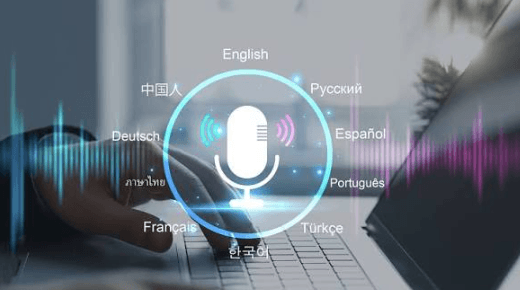
Voice technology shapes interaction by turning spoken intent into immediate action. It supports ambient, fluid engagement and context-aware responses. Users experience unobtrusive prompts, clarified feedback, and smoother transitions between tasks. Yet latency, privacy concerns, and edge cases challenge reliability. The balance of autonomy, transparency, and accessibility guides design decisions. Those considerations invite further examination: how do these systems scale in real work and everyday moments without compromising trust or control?
What Makes Voice Interaction Different?
Voice interaction differs from other input modalities by centering on spoken language as both the trigger and the feedback loop. It prioritizes real-time perception, nuance, and context, shaping how users explore tasks.
Contextual prompts guide responses, while ambient listening enables unobtrusive engagement. This approach foregrounds user autonomy, clarity, and fluid collaboration, redefining control and freedom in everyday communication.
How Voice Changes Everyday Tasks and Workflows
Voice-enabled interaction reshapes daily tasks and workflows by turning spoken intent into immediate action across contexts, from personal productivity to professional operations.
The approach emphasizes reliable cues, fluid transitions, and situational awareness.
Users value autonomy as systems handle routine commands and complex sequences with minimal input.
Key concerns include edge case handling and voice latency, which influence trust and efficiency.
Privacy, Trust, and Accessibility in Voice-First Design
Privacy, trust, and accessibility are central to voice-first design because user dignity hinges on how data, agency, and inclusivity are managed across interactions.
The discussion examines privacy implications within session dynamics, consent flows, and transparency, signaling that systems should honor user consent and provide clear, accessible controls.
This framing foregrounds user autonomy while preserving performance, inclusivity, and consistent privacy principles.
Evaluating and Choosing Voice Solutions for Your Context
Evaluating and choosing voice solutions requires a structured, context-aware approach that centers user needs, constraints, and outcomes. The method weighs performance, reliability, and security against operational realities. Key considerations include voice latency and adaptable interfaces, especially where multilingual users expect seamless interaction. Evaluators compare vendor roadmaps, support models, and privacy commitments, selecting solutions that balance freedom with predictable, measurable results.
Frequently Asked Questions
How Do Voices Differ Across Languages and Accents?
Voices vary by accent and language, revealing melodic contours and phonetic maps. Accent variation affects intelligibility and warmth, while dialect adaptation shifts syntax and vocabulary. The system analyzes nuances, prioritizing user-centered clarity, precision, and freedom of expression.
Can Voice Tech Replace Human Agents Entirely?
The answer: can automation replace humans? Not entirely, as limitations persist. The ethics of voice AI demand balance between efficiency and human-centered care; automation may substitute routine tasks, but nuanced, empathetic judgment remains uniquely human, guiding respectful, user-centered design.
What About Legal Issues and Compliance for Voice Data?
The question invites careful navigation of legal implications and data privacy, noting that compliant systems balance transparency with practical safeguards. In practice, organizations assess consent, retention, jurisdiction, and security controls to address evolving regulatory expectations and user freedom.
How Do Spontaneous Conversations Work With Limited Context?
Spontaneous conversations rely on maintaining spontaneous context within short term memory, allowing systems to infer intent from nearby dialogue. This approach balances user autonomy with privacy, enabling fluid exchanges while recognizing memory limits and real-time relevance in dynamic interactions.
See also: How Virtual Reality Is Changing Education
How Is Voice UX Tested With Real Users?
Apparently, the process involves user testing with real users; researchers observe interactions, collect real time feedback, and measure latency impact while iterating on accessibility design and overall user experience in a precise, exploratory, user-centered manner.
Conclusion
Voice interaction redefines engagement by turning spoken intent into immediate, context-aware action. It supports fluid collaboration, reduces cognitive load, and enables ambient control without disruption. Some may worry about privacy or latency; robust edge-enabled design and transparent permissions mitigate these concerns, preserving trust. The result is accessible, user-centered experiences that adapt to tasks and environments, from brief checks to complex workflows. By embracing clear feedback and fallbacks, voice becomes a dependable partner rather than a distraction.
